


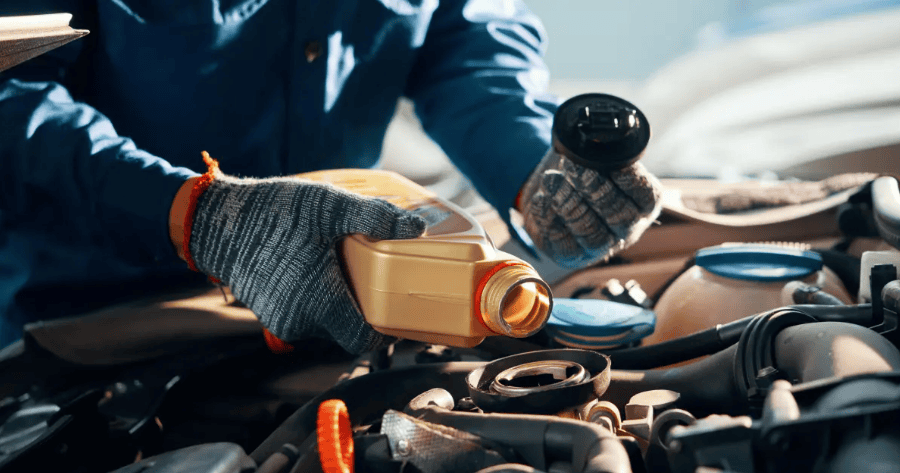
Owning a car involves more than paying for fuel and keeping it clean. Regular servicing is essential for maintaining vehicle performance, safety, and reliability. However, many car owners postpone scheduled maintenance because their vehicles appear to be functioning normally. While skipping a service appointment may seem like an easy way to save money, it can lead to mechanical problems and expensive repairs over time.
From reduced fuel efficiency to premature engine wear, neglected maintenance can affect several important components. Understanding the consequences of delayed servicing can help vehicle owners make better decisions and maintain their cars in good condition.
Why Is Regular Car Servicing Important?
Regular servicing involves inspecting, maintaining, and replacing essential vehicle components according to the manufacturer’s recommendations.
Common maintenance activities include engine oil changes, filter replacements, brake inspections, tyre checks, and fluid level assessments.
These procedures help ensure that different mechanical systems function efficiently and safely.
Servicing also allows technicians to identify potential problems before they become serious.
For example, a minor coolant leak discovered during routine maintenance may be repaired before it causes engine overheating.
Following the recommended service schedule can therefore help reduce unexpected breakdowns and maintain vehicle reliability.
1. Increased Engine Wear and Damage
The engine is one of the most expensive components of a car, and proper lubrication is essential for its operation.
Engine oil reduces friction between moving parts, helps regulate temperature, and carries contaminants away from important components.
Over time, oil deteriorates and may become contaminated with dirt, combustion by-products, and other particles.
Skipping scheduled oil changes can reduce lubrication effectiveness, increasing friction and component wear.
In severe cases, prolonged neglect may contribute to overheating, internal engine damage, or complete engine failure.
Replacing engine oil and filters at recommended intervals helps maintain engine performance and longevity.
2. Reduced Fuel Efficiency
Poor maintenance can affect how efficiently a vehicle uses fuel.
Dirty air filters, worn spark plugs, incorrect tyre pressure, and certain engine-related problems may contribute to increased fuel consumption.
For example, underinflated tyres increase rolling resistance, requiring the engine to work harder.
Similarly, malfunctioning engine sensors or ignition components can affect combustion efficiency.
Although fuel consumption also depends on driving habits, traffic conditions, and vehicle design, regular maintenance helps keep important systems operating as intended.
Addressing maintenance issues promptly may prevent avoidable increases in fuel expenses.
3. Higher Risk of Brake Problems
Brakes are among the most important safety systems in any vehicle.
During routine servicing, technicians may inspect brake pads, discs, fluid levels, and other related components.
When these inspections are skipped, worn brake pads or deteriorating components may remain unnoticed.
Reduced braking performance can increase stopping distances and create dangerous situations, particularly in heavy traffic.
Unusual noises, vibrations, or changes in brake pedal response should never be ignored.
Timely inspection and replacement of worn components help maintain effective braking performance.
4. Premature Tyre Wear
Tyres directly influence vehicle handling, road grip, and braking performance.
Regular maintenance often includes checking tyre pressure, tread depth, alignment, and overall condition.
Skipping these checks can allow uneven wear or alignment problems to develop.
For example, incorrect wheel alignment may cause tyres to wear faster on one side.
Driving with excessively worn tyres can also reduce traction, especially on wet roads.
Maintaining recommended tyre pressure and arranging alignment checks when necessary can help extend tyre life and improve driving safety.
5. Cooling System Problems and Overheating
A car’s cooling system helps maintain the engine within its intended operating temperature range.
Important components include the radiator, coolant, thermostat, hoses, and cooling fan.
Over time, coolant may deteriorate, while hoses and other components can develop leaks.
Without regular inspection, these problems may remain undetected until the engine begins overheating.
Severe overheating can damage cylinder heads, gaskets, and other internal engine components.
Checking coolant levels and following the manufacturer’s replacement schedule can help prevent avoidable cooling system failures.
6. Unexpected Breakdowns
One of the biggest disadvantages of skipping regular servicing is the increased likelihood of unexpected mechanical problems.
A weak battery, worn drive belt, deteriorating hose, or faulty electrical connection may not show obvious symptoms during everyday driving.
Routine inspections can identify some of these issues before they cause a breakdown.
Unexpected vehicle failure can be particularly inconvenient during long-distance journeys or while travelling through isolated areas.
Preventive maintenance cannot eliminate every breakdown, but it can reduce the risk of failures associated with neglected components.
7. Expensive Repairs in the Long Run
Postponing maintenance may reduce immediate expenses, but unresolved problems can become more expensive over time.
For example, replacing worn brake pads is generally less costly than repairing additional damage caused by continued use.
Similarly, addressing a minor coolant leak early may prevent serious engine overheating.
The financial impact depends on the vehicle model, component availability, and extent of damage.
Regular servicing helps identify potential issues before they require extensive repairs or component replacement.
8. Reduced Resale Value
Maintenance history is an important consideration for many used-car buyers.
A vehicle with documented servicing and timely repairs may inspire greater confidence than one with incomplete records.
Buyers often examine service invoices, repair history, and overall mechanical condition before making a purchase.
Repeatedly skipping maintenance may lead to visible wear, unresolved faults, or expensive repairs that affect resale negotiations.
Maintaining accurate service records can help demonstrate that the vehicle has received appropriate care.
9. Potential Impact on Vehicle Warranty
Many vehicle manufacturers provide warranties subject to specific maintenance and usage conditions.
Failure to follow required servicing schedules may affect warranty coverage for certain problems, particularly when neglected maintenance contributes to the failure.
However, missing a service appointment does not necessarily invalidate every warranty benefit automatically.
The outcome depends on the manufacturer’s warranty terms and the circumstances of the problem.
Vehicle owners should review their warranty documentation and maintain records of completed servicing.
10. Can Skipping Servicing Affect Car Insurance?
Vehicle maintenance and insurance protection serve different purposes.
Routine servicing helps prevent mechanical problems, while car insurance provides financial protection against specified risks covered under the policy.
Standard motor insurance generally does not cover normal wear and tear, routine maintenance expenses, or ordinary mechanical breakdowns.
However, skipping a scheduled service does not automatically mean that every future insurance claim will be rejected.
Claim eligibility depends on the cause of damage, policy exclusions, and other relevant conditions.
For example, comprehensive car insurance may cover eligible accidental damage, theft, fire, and specified natural disasters.
It does not replace the need for regular vehicle maintenance.
Car owners should review their policy documents to understand the difference between insured accidental losses and maintenance-related expenses.
How Often Should You Service Your Car?
The appropriate servicing interval depends on the vehicle manufacturer, model, engine type, and driving conditions.
Many manufacturers recommend periodic servicing based on a specified distance travelled or time interval, whichever comes first.
Vehicles frequently driven in heavy traffic, dusty environments, or demanding conditions may require additional inspections.
Owners should refer to the service schedule provided in their vehicle’s manual rather than relying on a universal servicing interval.
Warning Signs That Your Car Needs Attention
Even between scheduled services, certain symptoms may indicate that a vehicle requires professional inspection.
These include unusual engine noises, reduced braking performance, excessive vibrations, fluid leaks, warning lights, and unexpected changes in fuel consumption.
Drivers should avoid ignoring these symptoms simply because the next scheduled service is several months away.
Early diagnosis can help prevent minor issues from becoming more serious.
Conclusion
Skipping regular car servicing may appear to save time and money initially, but it can contribute to engine wear, reduced fuel efficiency, braking problems, unexpected breakdowns, and expensive repairs.
Routine maintenance also supports vehicle safety, reliability, and long-term resale value.
By following manufacturer-recommended servicing schedules, maintaining accurate records, and addressing mechanical concerns promptly, car owners can reduce avoidable expenses and keep their vehicles operating efficiently for longer.