


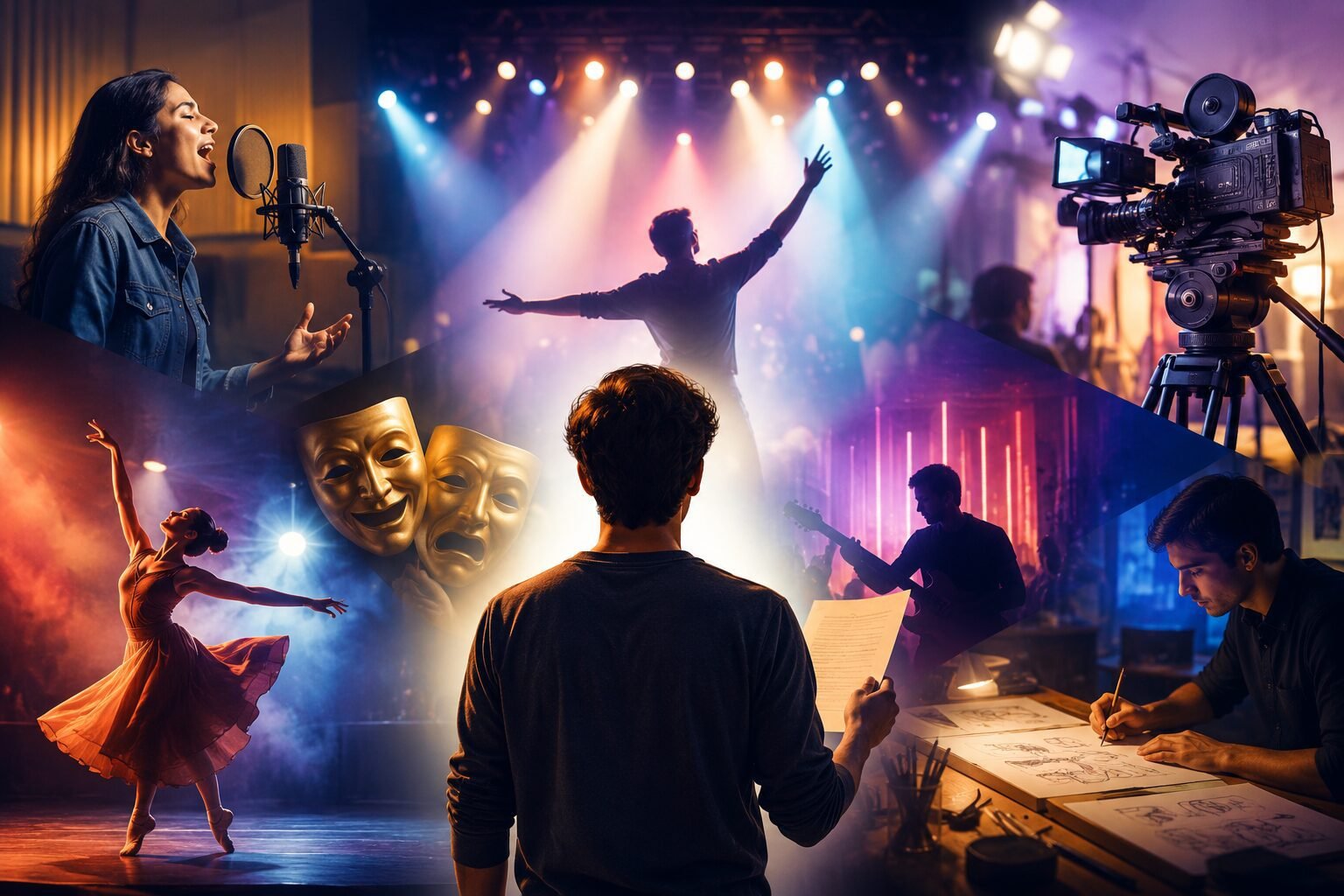
Music, dance, and stage performance are no longer just hobbies people pursue on the side. In 2026, they have turned into serious, well-respected career paths. More students than ever are choosing to study performing arts professionally, and the industry around it is expanding faster than most people realise.
If you are someone who loves music or performance and wonders whether it’s a smart career choice, here are five reasons why this field is booming right now.
1. Digital Platforms Have Changed the Game
A few years ago, getting noticed as a performer meant waiting for the right audition or the right connection. Now, platforms like YouTube, Instagram, and Spotify let artists showcase their talent directly to millions of people, without needing a middleman. A single well-shot performance video can reach more people in a day than years of traditional gigging once could.
This shift has created huge demand for trained performers, composers, and music producers who understand both art and technology. A structured bachelor in performing arts program helps students build this exact mix of creative and technical skills, from stage performance to studio production, so they’re ready for both the stage and the screen.
2. Content Creation Needs More Trained Talent
Films, web series, ad campaigns, and even podcasts constantly need background scores, live performances, and skilled musicians. This growing content industry has opened doors for performing arts graduates who can compose, arrange, or perform for different media formats, often working across multiple projects at once.
Because of this demand, more students today are choosing a BA in performing arts instead of traditional degree options, simply because it connects directly to real industry work. Employers are increasingly looking for people who already understand how performance fits into modern content, not just classical stage settings.
3. Live Events and Concerts Are Booming Again
After a quiet phase, live concerts, festivals, and stage shows are back stronger than before. Audiences today want real, live experiences, not just recorded content on a screen. This renewed appetite for live entertainment has increased the need for trained performers, sound engineers, and stage professionals who know how to handle live shows confidently under pressure.
Degree programs that include hands-on stage practice and ensemble performance prepare students exactly for this kind of real-world exposure, teaching them how to work as part of a team, manage nerves, and deliver consistently in front of a live audience.
4. Technology Has Become Part of Performing Arts
Music production today is not just about instruments and vocal training. It also involves recording software, mixing, mastering, and sound design. Students who understand DAWs (Digital Audio Workstations) alongside traditional performance skills have a clear advantage when entering the job market.
This blend of art and technology is one of the biggest reasons performing arts degrees are attracting more students in 2026. It’s no longer just about raw talent. It’s about combining that talent with professional tools and technical know-how, which makes graduates far more employable across different industries.
5. Career Options Have Expanded Beyond the Stage
Earlier, most people linked performing arts only to becoming a singer or dancer. That’s changed significantly. Today’s graduates can work as music composers, sound designers, live sound engineers, music teachers, choreographers, or even independent content creators building their own audience online.
This wider range of career paths is drawing more students toward performing arts as a serious, long-term profession rather than just a passion project they set aside after graduation.
Why Choose a Structured Degree Program
While passion is important, structured training makes a real difference in how prepared graduates feel once they enter the industry. A good program combines classical foundations with modern tools, offering hands-on practice through rehearsals, recordings, and live performances. Institutes like AAFT University focus on this exact mix, giving students access to studios, industry mentors, and real performance opportunities alongside solid academic learning.
Final Thoughts
The performing arts industry in 2026 looks very different from a decade ago. With digital platforms, live events, and technology all working together, there’s more room than ever for trained performers to build a stable, respected career.
If you love music or performance and want a future in this space, now is genuinely a good time to consider it seriously. The opportunities are real, growing, and open to anyone willing to put in the work.
Also check out our art-related articles here : https://weavermag.com/the-role-of-lighting-in-performing-arts-photography-a-guide-for-photographers/