

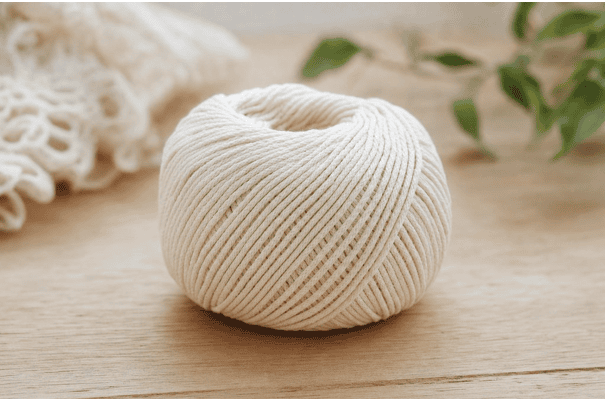
Cotton yarn for knitting and crochet
Knitted or crocheted with mercerized cotton yarn, stitch definition stands out. The same goes for woven pieces with interesting surface textures. Cotton is a great fiber for learning how to read stitch patterns. There’s less guesswork involved because cotton doesn’t have the halo of fuzz that wool does, hiding stitch definition.
The Polished Effect of Mercerization
Mercerized cotton yarn has a beautiful sheen and lends itself to stitch definition. It’s often a good choice for garments, accessories and home décor items where you want a little polish without sacrificing durability.
Cotton is an extremely versatile fiber. The same skein can be used to knit up a dishcloth, crochet a market bag or weave a summer top.
Mercerized cotton yarn has a slight sheen that’s especially pretty with stripes or colorwork.
Cotton yarn takes dye extremely well, making it a good choice for projects featuring colorwork or bold graphic motifs.
Mercerized cotton yarn often has a firmer hand than matte cotton yarns. It’s a good choice for baskets, bags and other projects that benefit from a bit of body and structure.
Softness or Sheen
Cotton is a great fiber for summer garments because it’s breathable and wicks away moisture.
As explained without much jargon at britannica.com/technology/mercerization, cotton yarns without a mercerized finish are often softer than mercerized cotton yarns. They’re great for baby items, washcloths and other projects that benefit from a softer hand.
Mercerized cotton yarns are smooth with a slight sheen. They’re best for stitch-defining projects such as lace, textured accessories and colorwork.
Cotton yarns without a mercerized finish have a matte finish and are often softer than mercerized cotton yarns. They’re best for projects that benefit from cotton’s absorbency such as baby items and washcloths.
Structure and Fiber Blends
Cotton yarn textures and finishes
Cotton yarns that are tightly spun have body and structure. They’re best for baskets, bags and other projects that benefit from a firmer fabric.
Cotton yarns blended with other fibers can add stretch and softness to projects – the fuller picture is at Cotton yarns blended with other fibers.
What Happens After Cotton Stretches?
Unlike wool, cotton doesn’t spring back to its original shape once stretched. Garments knitted or crocheted with cotton yarn may stretch out of shape, especially if they feature lots of increase stitches. It’s always a good idea to swatch with cotton yarn (especially if you’re planning on using it for a garment), wash and dry the swatch and see how it holds up. Check to see if it shrunk or stretched out of shape and note any changes in gauge or stitch definition.
Unlike wool, cotton doesn’t spring back to its original shape once stretched. Cotton knits and crochets can benefit from being blocked after washing.
Mercerized cotton can be used for neat finishes. The smoothness of the yarn makes seams, applied i-cord and other edging stand out beautifully. When seaming with mercerized cotton, leave long tails and weave them through multiple stitches in different directions to help keep them from pulling free.
Items with straps, necklines and bag handles made of cotton yarn can stretch with use. To prevent this, work these areas denser than the rest of the item by using a smaller hook or needle, doubleing up the fabric, or working the element onto a stable backing.
Many designs rely on cotton’s drape and weight. Tops with boxy silhouettes, market bags, summer accessories and open cardigan sweaters are good options. Avoid patterns that call for fitted garments with lots of stretchy ribbing; instead look for styles where the fabric is allowed to fall away from the body.
Yarns that are mercerized have a smoother, slicker feel to them than unmercerized cotton. This may cause you to have issues with controlling yarn tension as the yarn may feed more quickly through your hands.
Using a hook with a deeper throat may help you avoid problems with loops slipping off your hook if you are finding that the yarn is sliding quickly over the surface of your hook.
Tension, Color and Final Use
Cotton yarns are less forgiving than wool yarns. If you’re new to knitting or crochet with cotton yarn, take it slow! It’s easy to accidentally split cotton yarn when working with it. If you knit or crochet with dense tension or tend to knit or crochet tightly, cotton can be hard on your hands. Consider using knitting needles or crochet hooks with a comfy grip and take lots of breaks.
Cotton doesn’t stretch as much as other fibers, so watch out for uneven edges and inconsistent tension if you’re weaving with cotton yarn.
Take cotton’s lack of forgiveness into account when choosing a color. Lighter and brighter colors will highlight every stitch in knitted and crocheted projects while darker, more muted colors will emphasize texture. If you’re planning on working with more than one color, lay your yarns side-by-side to see if there are any surprises once the colors are placed next to each other.
Not sure if cotton yarn is the right choice for your next project? Think about how you’ll use the finished project and what qualities would benefit the project the most. Then pull out your skeins of cotton yarn and see which one has the qualities you’re looking for.