

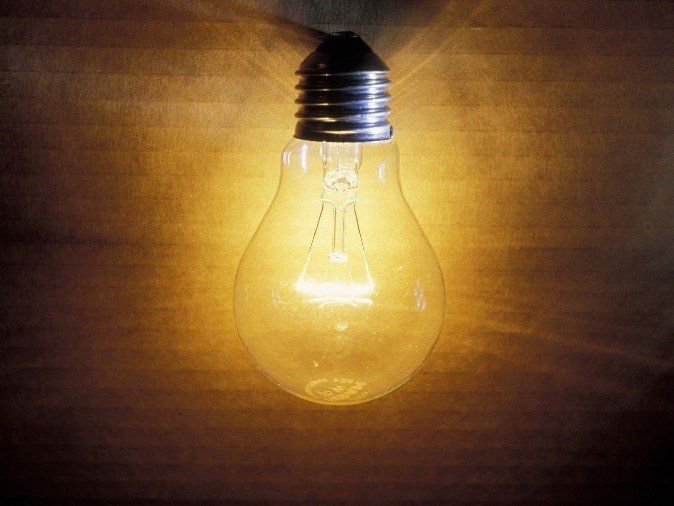
The invention that changed the world is electric light—the light bulb. It was Thomas Edison who turned electric light into a practical, safe, and affordable alternative to gaslights and candles. In 1879, Edison successfully developed a long‑lasting, practical incandescent bulb, and today the light bulb remains one of the most essential inventions in daily life.
When the light bulb was first introduced, its main purpose was to light up homes and workplaces, making it easier for people to work at night without straining their eyes. The electric light bulb has had a greater impact on human life than almost any other invention, shaping homes, industries, cities, and even the way we organize our time.
Why the light bulb is so important
The electric light bulb is often called the most important invention since humans first learned to control fire. Without it, there would be no real nightlife, modern offices, hospitals, or late‑night activities.
A light bulb converts electricity into light, providing artificial illumination for:
-
Homes and streets
-
Shops, markets, and offices
-
Theatres, libraries, and public spaces
Before electric bulbs, people relied on candles, oil lamps, and gaslights, which were dimmer, less safe, and more expensive. The light bulb extended the productive hours of the day, helping people work longer, earn more, and grow businesses.
Different types of bulbs—such as incandescent bulbs, fluorescent lamps, and compact fluorescent lamps (CFLs)—show how the invention has evolved over time. For a deeper look at the history of electric lighting, you can explore science‑history and energy‑education resources.
Who was Thomas Edison?
Thomas Alva Edison was an American inventor, scientist, and businessman whose work changed the modern world. Along with the practical light bulb, he developed or improved inventions like the phonograph and motion‑picture camera.
Edison’s experiments with the incandescent lamp in 1879 proved that electric light could be reliable, long‑lasting, and commercially viable. His early statement about the experiment was:
“We are striking it big in electric light—better than my vivid imagination first conceived.”
This passion and hard work helped launch the age of electricity. Without Edison’s dedication, many electric devices and modern technologies might not exist in the way they do today.
How the light bulb changed daily life
Today, light bulbs are used in grocery stores, shopping malls, parks, libraries, offices, homes, theatres, and almost every public space. They are a basic necessity, not a luxury, and both poor and rich families depend on them.
Because of the light bulb:
-
People could work longer hours and earn more money.
-
Factories increased night‑shift production, boosting industrial growth.
-
Social events like parties, meetings, and community gatherings could be held in the evening.
-
Students and professionals could read and study late at night.
Inside homes, it felt as though the sun had not set, creating a new sense of time and comfort.
You can read more about how the invention of electric light changed society in history‑of‑technology and science‑education resources.
What if light bulbs were never invented?
If light bulbs had never been developed by Edison, Joseph Swan, George Westinghouse, and others, electricity might never have become a commercial force. As a result, the world would likely be decades behind in electrical and electronic technology.
Without electric light:
-
Most work would stop at sunset, and sunrise would mark the only safe time to move around.
-
Streets would be dark and less safe at night.
-
Reading, studying, and many modern activities would be extremely limited after dark.
The light bulb also helps the human eye see by providing illumination. Light is essential for vision and biological rhythms, and it plays a key role in natural processes like photosynthesis, which supports life on Earth.
Poems and quotes about light
The writer shares a short poem connecting light and night:
*“Brighten your night,
Be your own light,
Clear your sight,
See while as white.”*
This poem encourages readers to find their own inner light and clear vision in life.
Another famous quote about light is:
“We are all broken—that is how the light gets in.”
This quote reminds us that through our struggles, light and growth can enter our lives.
Conclusion: The light bulb’s lasting impact
The light bulb or LED bulb is one of the greatest inventions in human history. It made the world brighter, safer, and more productive, and it continues to shape modern life in every country.
Thanks to Thomas Edison’s hard work and imagination, people can enjoy late‑night work, study, entertainment, and social life. The light bulb is not just a tool—it is a symbol of progress, innovation, and hope.
By: Srushti Ganesh Rudrawar
Class 7 – Kid’s Kingdom Public School, Gokul Nagar, Nanded, Maharashtra