


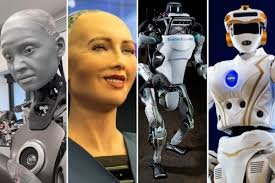
Despite its peculiar appearance, “Ponas Robotas” has deep cultural roots in Lithuania and has become well-known worldwide as a result of the Mr. Robot television series. It’s more than simply a popular TV show; it’s a doorway to a world of complex ideas. The story blends the fictional journeys of a disturbed hacker with real technology that affects our daily lives. The Ponas Robotas universe makes us think about the digital worlds we inhabit, including data privacy, artificial intelligence, and virtual reality. This journey explores the concepts of the play and connects them to robotics and artificial intelligence, which are no longer science fiction but rather essential elements of modern life.
The Etymology behind ‘Ponas Robotas’:
Are “Ponas Robotas” familiar to you? This Lithuanian expression literally translates to “Mr. Robot,” but its significance extends well beyond that. It is now a powerful symbol in our ongoing conversation about the future.
This concept involves more than one physical machine. Instead, it represents the intricate and ever-changing interaction between humanity and the domains of robots and artificial intelligence. It offers a foundation for understanding how automated technologies are influencing every facet of our society.
As we go into a future marked by technological cooperation, it is crucial to comprehend the fundamentals of Ponas Robotas. It’s a story of human adaptation, relentless invention, and the intriguing—and sometimes challenging—redefinition of what it is to be human. Additionally, it is eco-friendly.
The Man, the Myth and Ponas Robotas:
The plot revolves around Elliot Aldson, a cybersecurity engineer who suffers from disruptive disorder and social anxiety. He leads a double life, working for a security company during the day and as a vigilante shaker at night. His primary goal is e Corps, a massive, corrupt company he calls “Evil Corp.” The story lays the groundwork for network malfunctions, online threats, and an in-depth analysis of the vast authority held by the global organization.
Elliot and its shady associates, a gang known as FSOCIETY, intend to wreak havoc on the entire globe by getting rid of all consumer loans and purchasing e-Corp. ESOTIC’s “dark army,” a violent and mysterious group of hackers with their own agenda, is in charge of the organization. The lecture illustrates both the psychological and technological sides of hacking, including devices such as Black Linux. In a world where digital platforms rule, it examines mental health concerns, loneliness, and the struggle for human compounds.
The series’ unique visual style and clever utilization of film locales can inspire feelings of growth and addiction. The HTTP status code “proxy authentication required” is a repeated design that conveys Elliot’s feelings of being restricted or hindered in life. Its underlying issues are symbolized by this technical fault notice.
The Three Faces of Ponas Robots: Worker, Companion, and Mirror
Ponas Robotas are the first thing we encounter as the Worker. This is the tenacious, industrious force that is quietly changing industries. Think about AI that sorts through mountains of data or automated production lines—these are the robots that perform tasks with an accuracy and endurance that simply cannot be matched by humans.
Next, we are introduced to the Companion. This job immediately incorporates robotics into our homes and daily lives. These are the gadgets that make our lives better by teaching our children, assisting the elderly, and offering everyday assistance with a touch of preprogrammed empathy.
Finally, Ponas Robotas serves as a mirror. In this sense, it stands for our own cultural values, our greatest hopes, and even our worst anxieties. As we build these intelligent technologies, we are inevitably forced to raise significant questions about ourselves and the world we are creating.
Artificial Intelligence’s Role: The Brains Behind
What is the true motivation behind every single Ponas robot? The answer lies in artificial intelligence (AI). This is the invisible engine that transforms a machine from a preprogrammed apparatus into an intelligent, self-governing entity. Thanks to technology like machine learning, robots can learn from experience just like people. Natural language processing allows them to understand our speech and react, but computer vision gives them the ability to see. These AI components work together to form the cognitive basis of modern robotics. They are what give these robots their intelligence, adaptability, and capacity to perform more challenging tasks.
Ponas Robots in Action: Transforming Industries and Daily Life
The impact of Ponas Robotas is no longer theoretical; it is seen everywhere. In manufacturing, robots are starting to become the mainstay of production. In the medical field, they assist surgeons in the operating room and patients during their recovery. Outside of factories and hospitals, logistics and agriculture have undergone substantial transformation. Automated technologies are increasingly used to handle large supply chains, which helps to improve food production. This wave of change has already reached our front doors with the introduction of robotic vacuums and smart home equipment. The versatility of Ponas Robotas is well beyond these representations. They show a growing ability to improve convenience and efficiency in both personal and professional spheres.
Managing the Social and Economic Shifts: The Human Factor
The rise of Ponas Robotas is not without challenges, particularly with regard to social and economic systems. Without a doubt, the automation of labor is transforming the nature of employment, making some traditional jobs obsolete and creating entirely new professions in fields like robot design and AI ethics. This ongoing change calls for a renewed emphasis on human-specific skills like creativity, critical thinking, and emotional intelligence. As a civilization, we are adapting to a new environment where humans and intelligent robots must work together. This absorption also requires social adjustments. We are all learning how to interact and coexist with non-human entities in our homes, workplaces, and communities.
The Ethical Handbook: Managing the Challenges of a Robotic Future
As Ponas Robotas’s capabilities grow, we can no longer ignore the many challenging ethical questions it brings up. These days, the debate centers on important issues related to algorithmic bias, data privacy, and accountability. We also face profound philosophical dilemmas. What would happen if a machine developed sentience? Does it have rights? The answers to these concerns will influence the moral climate of future generations. For robotics and artificial intelligence, we need to establish clear, robust ethical guidelines and regulations. This is the only way to ensure that these powerful technologies are developed and used responsibly for the benefit of all.
What Does Ponas Robotics Have in Store for the Next Chapter?
The story of Ponas Robotas is still being written. The next chapter promises even more incredible advancements, such the development of emotional AI with the capacity to perceive and respond to emotions. Furthermore, we can expect that robots will contribute more to innovation. Imagine machines exploring the deepest ocean depths or the distant reaches of space, stretching the boundaries of human comprehension. The ultimate objective is to envision a time where human-robot collaboration is not only possible but also effortless. Intelligent machines will be true partners in our mutual development in the future.
Conclusion:
Ponas Robotas has evolved from a simple phrase to a representation of a global revolution. It is a concept that touches on our technology, society, and philosophy while reflecting our greatest hopes and pressing problems. Understanding its many elements can help us better prepare for the future that is evolving around us.
The fundamental tenet of contemporary AI is that information is power in the world of the show. Neural networks and machine learning are examples of technologies that thrive on data, decisions, and learning patterns to make predictions. Everything from Google Assistant to sophisticated algorithms on your smart speaker that suggest social media material is built on this foundation.
As we collaborate to build a future, Ponas Robotas’ journey is comparable to our own in many ways. We must be thoughtful, moral, and dedicated to creating a society where humans and robots can coexist and even thrive if we are to accept this cooperative future.
Write and Win: Participate in Creative writing Contest & International Essay Contest and win fabulous prizes.