


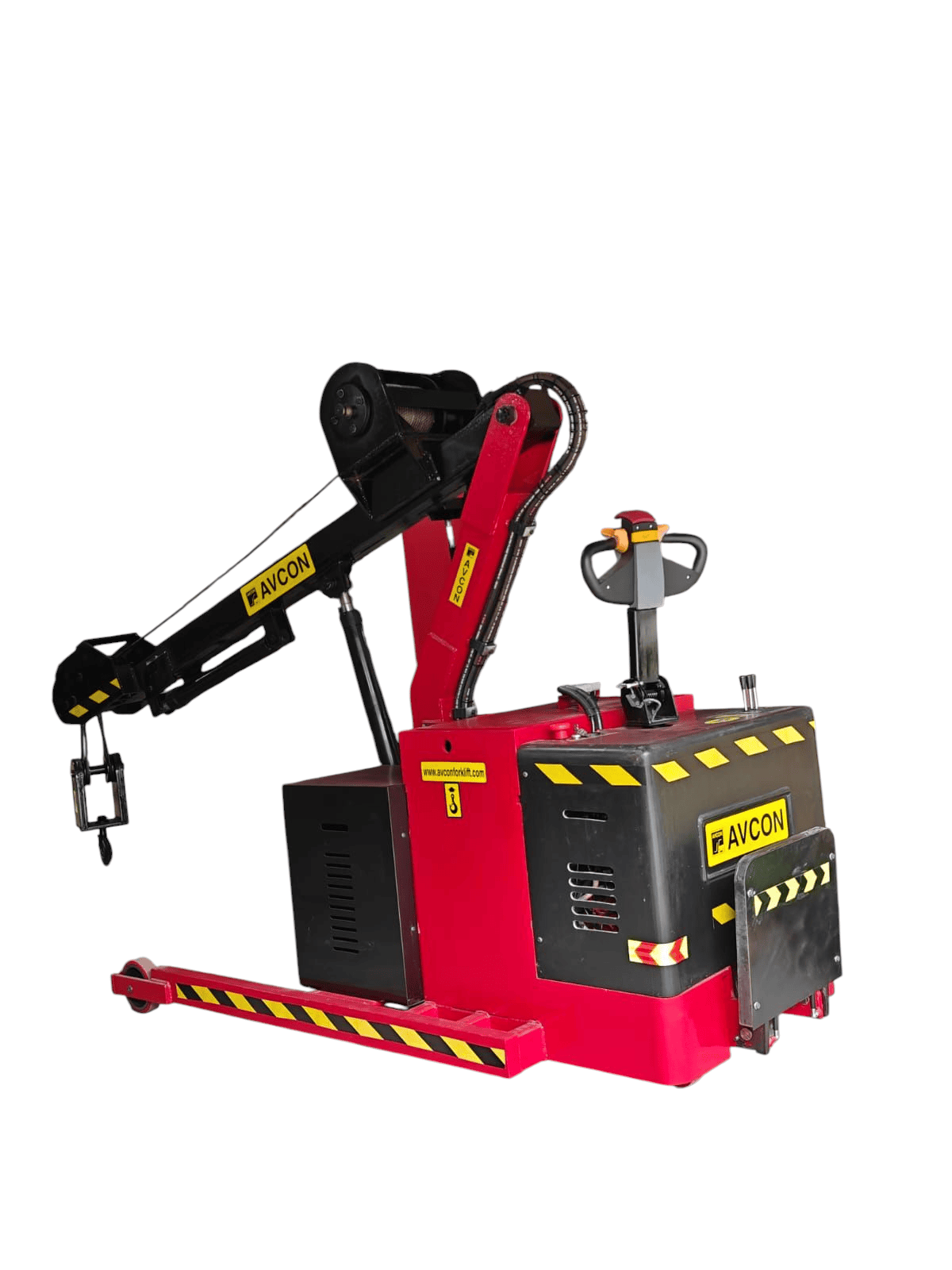
Modern industries depend on efficient material handling systems to maintain productivity, improve workplace safety, and reduce operational costs. Whether it is a manufacturing plant, warehouse, engineering workshop, or automotive service center, lifting and moving heavy equipment is a daily requirement. Relying on manual labor for these tasks not only slows operations but also increases the risk of workplace injuries and product damage.
This is where Floor Cranes play an important role. These portable lifting machines are specifically designed to lift, transport, and position heavy materials safely and efficiently. Their mobility, compact design, and ease of operation make them one of the most practical solutions for industrial lifting applications.
Unlike permanently installed overhead cranes, floor cranes can be moved easily between workstations, making them ideal for facilities where flexibility is essential. They are widely used to lift engines, machinery, steel components, dies, molds, pumps, motors, and other heavy industrial equipment.
As industries continue to focus on operational efficiency and workplace safety, investing in reliable floor cranes has become a smart business decision. This guide explains everything you need to know about floor cranes, including their working principles, types, benefits, applications, maintenance, and buying considerations.
What Are Floor Cranes?
A floor crane is a portable material handling device designed to lift and move heavy loads within industrial environments. Built with a strong steel frame and powered by hydraulic or electric lifting mechanisms, floor cranes provide an efficient solution for lifting equipment that cannot be handled manually.
Unlike forklifts that transport palletized goods, floor cranes are primarily designed for lifting irregular or oversized objects such as industrial machinery, engines, molds, fabricated structures, and maintenance components.
One of the biggest advantages of floor cranes is their portability. Mounted on heavy-duty wheels, they can be moved easily throughout workshops, warehouses, and production facilities without requiring expensive installation or structural modifications.
Floor cranes are available in different lifting capacities, boom lengths, and configurations, allowing businesses to choose a model that best suits their operational requirements.
Why Floor Cranes Are Essential in Modern Industries
Industrial operations involve handling heavy materials every day. Without the proper lifting equipment, businesses often face challenges such as reduced productivity, higher labor costs, equipment damage, and workplace accidents.
Floor cranes address these challenges by providing a safe and reliable lifting solution.
Some key reasons why floor cranes are essential include:
- Improving workplace safety by reducing manual lifting
- Increasing operational efficiency
- Reducing employee fatigue
- Lowering the risk of product damage
- Supporting faster maintenance operations
- Enhancing workflow within production facilities
- Providing flexibility for different lifting applications
- Reducing downtime during equipment installation and repairs
Their versatility makes them indispensable across industries ranging from automotive manufacturing to logistics and heavy engineering.
How Floor Cranes Work
The working principle of a floor crane is simple yet highly effective.
Most floor cranes use a hydraulic system to generate lifting force. When the operator pumps the hydraulic handle, pressure builds inside the hydraulic cylinder, causing the boom to rise gradually. A lifting hook attached to the boom securely holds the load during the lifting process.
Once the load is elevated, the operator can carefully move the crane to the desired location using its heavy-duty caster wheels. After positioning the load, the hydraulic release valve allows the boom to lower smoothly and safely.
Electric floor cranes operate using powered lifting mechanisms, reducing manual effort and improving efficiency for repetitive lifting tasks.
The combination of hydraulic technology and robust engineering allows floor cranes to lift substantial loads with minimal physical effort while maintaining excellent stability.
Major Components of Floor Cranes
Understanding the main components helps operators appreciate how floor cranes achieve safe and reliable lifting performance.
Heavy-Duty Steel Frame
The steel frame provides structural strength and supports the crane during lifting operations. High-quality steel construction ensures long-term durability even under demanding industrial conditions.
Hydraulic Cylinder
The hydraulic cylinder converts manual pumping effort into powerful lifting force. It is responsible for raising and lowering the boom smoothly.
Adjustable Boom
Most floor cranes feature adjustable boom positions, allowing operators to balance lifting height with load capacity depending on the application.
Swivel Hook
The swivel hook enables secure attachment of loads while allowing controlled positioning during lifting.
Load Chain
The heavy-duty lifting chain connects the hook to the boom and is designed to withstand repeated industrial use.
Heavy-Duty Wheels
Industrial-grade caster wheels allow smooth movement across factory floors while supporting both the crane and the lifted load.
Pump Handle
The ergonomic handle is used to operate the hydraulic system and maneuver the crane comfortably.
Safety Valve
Many modern floor cranes include overload protection valves that prevent lifting beyond the crane’s rated capacity, enhancing workplace safety.
Types of Floor Cranes
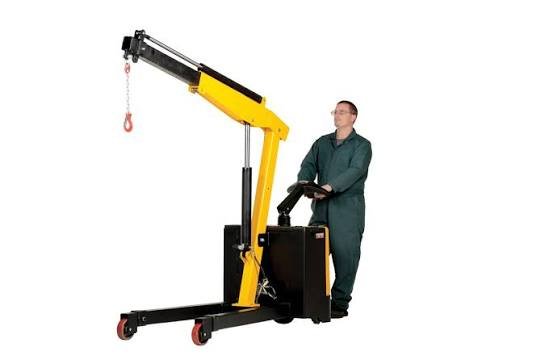
Different applications require different lifting solutions. Manufacturers offer several types of floor cranes to meet diverse industrial needs.
Hydraulic Floor Cranes
Hydraulic floor cranes are the most widely used models. They provide reliable lifting performance using hydraulic pressure and require minimal operator effort.
Key Benefits
- Easy operation
- Low maintenance
- Cost-effective
- Smooth lifting performance
Foldable Floor Cranes
Foldable floor cranes are ideal for workshops with limited storage space. Their collapsible design allows easy transportation and convenient storage when not in use.
Applications
- Automotive workshops
- Small manufacturing units
- Maintenance departments
- Service centers
Counterbalanced Floor Cranes
Counterbalanced cranes eliminate front support legs, allowing operators to access machinery and equipment more easily.
Advantages
- Better accessibility
- Improved maneuverability
- Ideal for confined spaces
Electric Floor Cranes
Electric floor cranes reduce manual effort by using powered lifting systems. They are suitable for facilities with high lifting frequency.
Advantages
- Faster operation
- Reduced operator fatigue
- Improved productivity
- Suitable for continuous industrial use
Heavy-Duty Floor Cranes
Heavy-duty models are designed for lifting large industrial components in engineering plants, steel fabrication units, and heavy manufacturing facilities.
These cranes feature reinforced frames, higher lifting capacities, and enhanced stability for demanding applications.
Features of Modern Floor Cranes
Modern floor cranes are engineered with advanced features that improve performance, safety, and usability.
Some common features include:
- Heavy-duty steel construction
- Durable powder-coated finish
- Adjustable boom positions
- Hydraulic lifting system
- Foldable designs
- Heavy-duty swivel casters
- Compact footprint
- Corrosion-resistant components
- Ergonomic operating handle
- High load-bearing capacity
- Smooth lifting mechanism
- Low maintenance requirements
These features ensure reliable performance in demanding industrial environments while minimizing maintenance costs.
Advantages of Using Floor Cranes
Investing in floor cranes offers several long-term benefits for industrial operations.
Improved Workplace Safety
Floor cranes reduce manual lifting, minimizing the risk of back injuries, muscle strain, and workplace accidents.
Increased Productivity
Workers can lift and position heavy equipment quickly, allowing production processes to continue without unnecessary delays.
Cost Savings
Compared to permanent overhead lifting systems, floor cranes provide a cost-effective alternative with lower installation and maintenance costs.
Better Flexibility
Portable designs allow one crane to be used in multiple departments, maximizing equipment utilization.
Reduced Equipment Damage
Controlled lifting minimizes accidental drops, protecting valuable machinery and industrial components.
Long Service Life
High-quality floor cranes are built for years of dependable industrial use, providing excellent return on investment.
Industries That Use Floor Cranes
Floor cranes are widely used across many sectors, including:
- Manufacturing industries
- Automotive workshops
- Warehouses
- Engineering companies
- Steel fabrication plants
- Logistics centers
- Construction equipment manufacturers
- Pharmaceutical industries
- Food processing plants
- Power generation facilities
- Aerospace component manufacturing
- Heavy machinery maintenance
Their ability to handle a wide range of lifting tasks makes them an essential part of modern material handling operations.
Also, you can have a look at : How Does a Small Turbine Generator Support Distributed Energy Systems?