


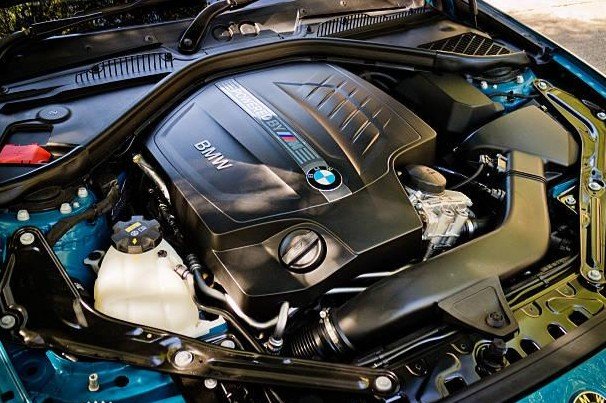
Early signs of BMW engine trouble often include unusual noises such as knocking, ticking, or rough idling while the engine is running. Drivers may also notice reduced power, poor acceleration, increased fuel consumption, or smoke coming from the exhaust.
Atlanta, which is located in Georgia, U.S. This city is known for having one of the busiest highway networks in the southern United States. It is connected by several interstate highways, including I-75 and I-85.
Atlanta’s stop-and-go traffic and summer heat put real strain on any engine, BMW included. This is why getting proper BMW repair in Atlanta, GA, from a qualified shop early can save you from a much bigger bill later.
Here are the most common early warning signs BMW owners report and what they usually mean.
Check Engine Lights
This one seems obvious, but many drivers ignore it, especially when the car still “feels fine.” On a BMW, the check engine light often triggers before you feel any performance drop. Common causes include a faulty oxygen sensor, a loose gas cap, or early misfires. Get the codes read at a shop that knows BMWs; don’t assume it’s minor.
Rough Idle or Misfires
If your BMW shakes or stumbles when sitting at a red light, that’s a misfire. It might happen once and go away, but the problem doesn’t fix itself. Worn spark plugs, a failing ignition coil, or a dirty fuel injector are common culprits. BMW’s N52 and N54 engines are especially sensitive to ignition system wear.
Oil Consumption and Low Oil Warnings
BMWs, particularly models with the N54 or N63 engines, are known to burn more oil than the average car. If you’re topping off between oil changes, that’s a sign something is off.
Unusual Noises from the Engine Bay
A ticking sound at startup that fades after a minute could be a valve timing issue or low oil pressure at cold starts. A knocking noise at highway speed is more serious; that’s often rod knock, which means internal engine wear.
Coolant Loss or Temperature Swings
If your temperature gauge climbs higher than usual, or you notice coolant disappearing without a visible leak, take it seriously. BMW cooling system, especially on the E46 and E90 platforms, are known for plastic components that crack with age.
A failing thermostat, cracked expansion tank, or early head gasket issue can all cause this. Overheating even once can warp the cylinder head, turning a $300 repair into a $3,000 one. The FMCSA has identified overheating as a top cause of preventable engine failures in vehicles driven in hot climates.
Smoke From the Exhaust
A small puff of white smoke on a cold morning is usually condensation. Sustained smoke after the engine warms up is a different story.
Here’s how to read the color:
- Blue smoke, burning oil, often a valve seal or piston ring issue.
- White smoke (persistent), coolant entering the combustion chamber.
- Black smoke is usually a fuel injector or sensor fault.
Key Takeaways
- The check engine light on a BMW often triggers before you feel any drop.
- Rough idle and misfires usually point to ignition wear in BMW’s performance engines.
- Oil consumption is a documented issue in several BMW models; check levels regularly.
- Knocking or ticking noises signal internal wear.
- Coolant loss and overheating can escalate into major damage quickly.
- Early diagnosis always costs far less than a full BMW repair.